
I spent twelve years at the front desk of an independent repair shop. I remember when we stopped diagnosing cars with a timing light and started diagnosing them with a laptop. There was a moment, around 2010, where the “old school” guys realized that the wrenches were no longer the most important tools in the bay. Today, a modern vehicle is essentially a high-performance server rack on wheels.
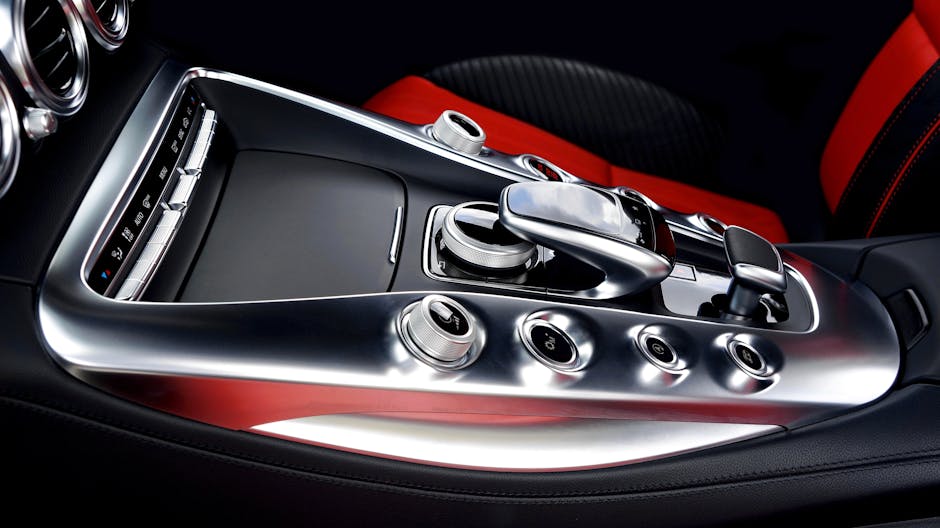
When you look at industry data from sources like Focus2Move, it’s clear that the global automotive market is shifting toward high-tech integration. The sheer volume of data being processed by a modern vehicle is staggering. We aren’t just fixing carburetors anymore; we are debugging software driven systems.
The Shift: From Mechanical Assemblies to Onboard Computers
In the past, a car was a machine. If your engine sputtered, you checked the air, the fuel, and the spark. Today, your onboard computers—the Electronic Control Units (ECU)—are constantly making millions of calculations per second. They are monitoring fuel trim, transmission shift points, and even the temperature of your seat heaters.
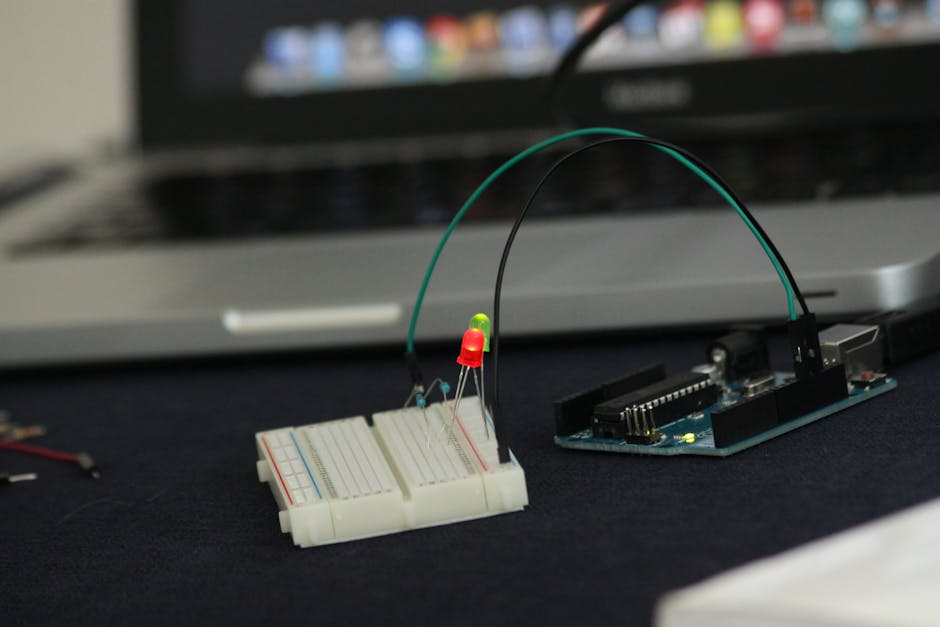
These components communicate via a Controller Area Network (CAN bus). Think of this as the nervous system of the vehicle. When one node stops talking, the whole car can enter “Limp Mode” or refuse to start entirely. Companies like Ancoca s.r.l. have highlighted how integrated these electronic architectures have become. We are no longer dealing with isolated parts; we are dealing with a complex ecosystem of hardware and code.
The Fallacy of the “Generic” Fix
I see it every day in the shop: a DIY enthusiast walks in with a cheap, OBD (On-Board Diagnostics) reader they bought online. They have a check agricultural and tractor diagnostics engine light, they pull a code, and they want to “just replace the part.”
Here is why that almost never works:
- Generic OBD readers only see the surface. They read the “global” emissions codes. They cannot see the proprietary codes stored in the body control module or the anti-lock braking system.
- Basic scan tools cannot perform bi-directional testing. You can’t command a fuel pump to turn on or actuate a shift solenoid just to see if the wiring is good.
- Data interpretation: A code is not a diagnosis. A code is a clue. If you replace an expensive sensor because a $20 tool told you to, you are guessing, not repairing.
If you are treating your diagnostic process like a game of Are AI Quiz Generators Actually Useful for USMLE Step 1 Prep?—where you just look at spreadsheets of numbers without understanding the relationship between them—you are going to waste a lot of money on parts that didn’t need replacing.
Understanding OEM Diagnostics
If you want to move from a hobbyist to someone who actually understands vehicle electronics, you need to look at what the dealership techs are using. These are OEM (Original Equipment Manufacturer) diagnostics tools. They go deep into the proprietary software that generic scanners can’t touch.
Comparison of Diagnostic Capabilities
What to Do Next
Stop relying on the “parts canon”—the habit of firing parts at a car until the light goes out. If you are serious about diagnosing modern How a Dedicated Account Manager Can Stop Nurse Background Check Failures from Crippling a Small Clinic, follow this workflow:
Final Thoughts
Modern cars are not becoming less reliable; they are becoming more complex. When an ECU manages every drop of fuel, your repair process must be just as precise. Stop buying tools based on marketing buzzwords. Invest in a scan tool that offers deep access to the vehicle’s network and learn how to interpret the data stream.
The days of “just swapping parts” are over. Welcome to the era of digital diagnostics. Embrace the software, verify the hardware, and always—always—test before you spend.